
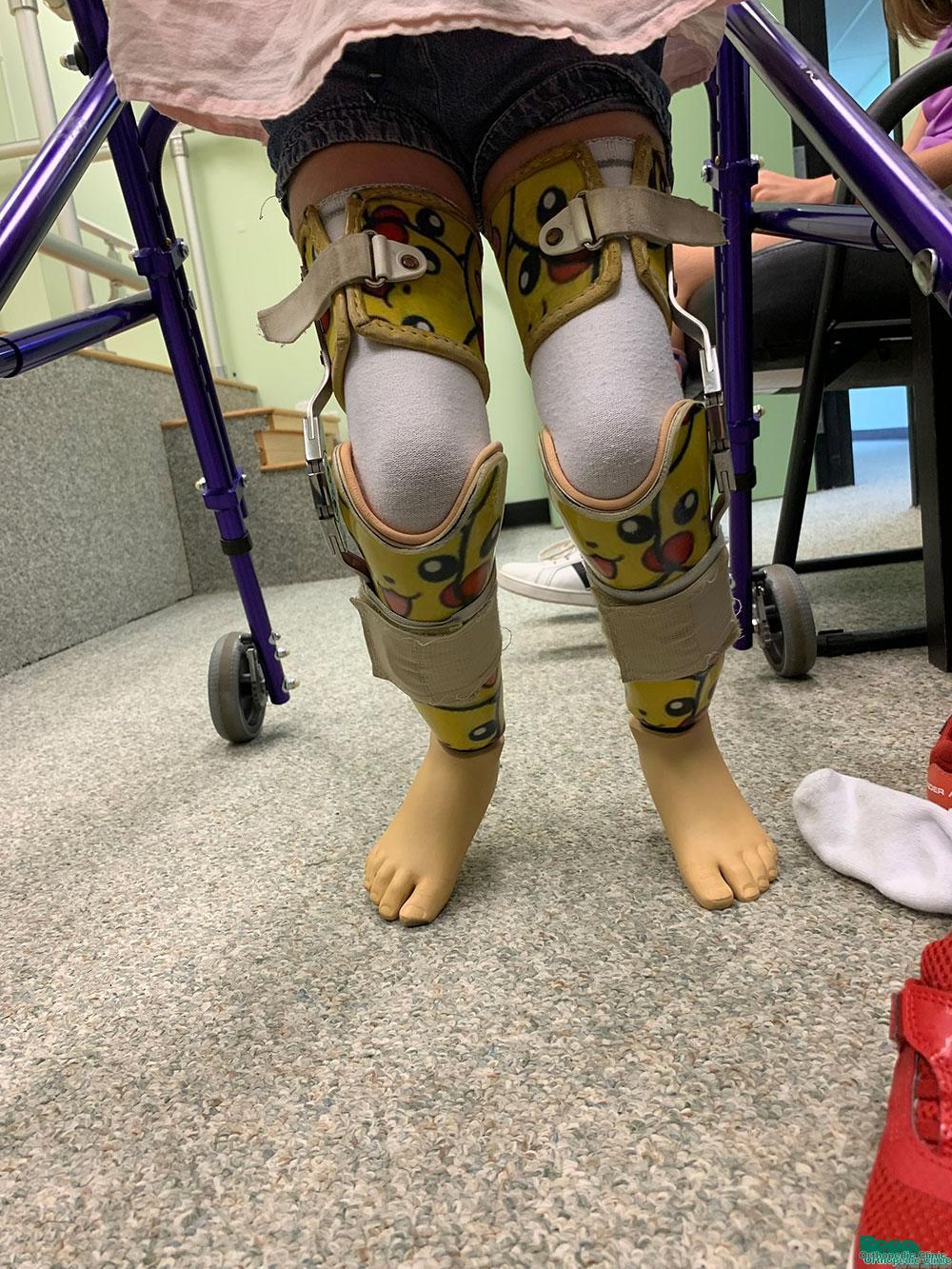
“I’ve been an amputee for 12 years and have had nothing but problems with my sockets causing sores, bleeding, and lots of pain. My journey has led me to share my amputee success story Michigan.”
These were Stella’s words when she first contacted ROPP Orthopedic Prosthetic Clinic. After more than a decade of suffering, she had almost given up hope that life as an amputee could be anything other than a daily battle with pain. Her story isn’t unique – we hear similar experiences from amputees across Southeast Michigan who’ve been told their pain is “normal” or “just part of being an amputee.”
Stella’s experiences resonate with many, making her an inspiring example of an amputee success story Michigan.
But Stella’s story doesn’t end with resignation. Today, she describes her life as “easier and more enjoyable” than she ever imagined possible during those difficult years. Her transformation from constant wounds and bleeding to comfortable, active living proves what we’ve known for 30 years: prosthetic pain isn’t inevitable, it’s fixable.
The First 12 Years: When “Normal” Means Pain
Stella’s Inspiring Amputee Success Story Michigan
Stella’s amputation journey began like many others. Following her surgery, she worked with a prosthetist who fitted her with what seemed like a reasonable socket. The first few weeks involved the expected adjustment period – learning to walk again, building strength, adapting to her new reality. Everyone told her the discomfort would improve with time.
But it didn’t improve. Instead of getting better, the problems compounded. What started as mild irritation became persistent sores. The sores became wounds that wouldn’t heal. Simple activities like grocery shopping became endurance tests. She found herself planning her entire day around how much pain she could tolerate, often choosing to stay home rather than risk another bleeding episode.
The psychological toll matched the physical suffering. Stella watched other amputees seemingly thriving while she struggled with basics. She questioned whether she was doing something wrong, whether she wasn’t tough enough, whether this was simply her fate. The isolation that comes from chronic pain added another layer to her challenges.
The Cycle of Failed Solutions
Over those 12 years, Stella didn’t simply accept her situation. She sought help repeatedly, visiting multiple prosthetists across Michigan. Each promised improvements. Some made minor adjustments – adding padding here, grinding away material there. Others suggested entirely new sockets, leading to expensive replacements that ultimately failed to solve the fundamental problems.
The pattern became depressingly familiar. A new prosthetist would express confidence they could help. They’d make adjustments or create new sockets. Things might feel slightly better for a few days or weeks. Then the problems would return, often worse than before. Each failure eroded her confidence that anything could truly change.
She tried every liner material available. Gel liners caused excessive sweating and skin maceration. Silicone liners triggered allergic reactions. Urethane options created pressure points. No matter what combination she tried, the result was always the same: sores, bleeding, and pain that made wearing her prosthesis torture.
The financial burden added stress to an already difficult situation. Insurance covered some modifications but questioned repeated requests for new sockets. Out-of-pocket expenses mounted. She invested in specialized skin care products, prescription medications for pain, and countless wound care supplies. The cost of being an amputee in pain extends far beyond the prosthesis itself.
The Breaking Point
Every person living with chronic pain knows there’s a moment when something has to change. For Stella, that moment came after a particularly difficult week when she couldn’t wear her prosthesis at all due to severe skin breakdown. The wounds were too painful and too extensive. She faced the real possibility of spending the rest of her life alternating between a wheelchair and brief, agonizing attempts at walking.
A friend mentioned ROPP Orthopedic Prosthetic Clinic, specifically their claim about pain-free prosthetics. Stella was skeptical – she’d heard promises before. But desperation overcomes skepticism. She made the call, not with hope but with the resignation of someone who had tried everything else.
What she encountered during that first conversation was different. Instead of immediately promising solutions, the ROPP team asked detailed questions about her entire history. They wanted to understand not just her current problems but the full journey that led to this point. They spoke about prosthetics differently, not as devices to be endured but as extensions that should enhance life, not diminish it.
The ROPP Evaluation: Finding the Real Problems
Stella’s first appointment at ROPP’s Commerce Township clinic lasted over two hours. This wasn’t a quick measurement session or minor adjustment appointment. The evaluation was comprehensive, examining not just her residual limb but her entire body mechanics, walking pattern, and lifestyle needs.
The problems they identified went beyond simple fit issues. Her previous sockets had never achieved true total contact, creating pressure points that caused the recurring sores. The suspension system was inadequate, causing pistoning that created friction with every step. Most critically, no one had properly addressed the unique anatomy of her residual limb, instead trying to force it into generic socket shapes.
The ROPP team explained each issue in detail, showing Stella exactly why she’d been experiencing specific problems. For the first time in 12 years, someone could point to her pain and explain its mechanical cause. This wasn’t her fault. She wasn’t weak or doing something wrong. The prosthetics had been wrong for her.
But identifying problems is only valuable if you can solve them. This is where ROPP’s on-site fabrication lab became crucial. Instead of sending specifications to a distant facility and hoping for the best, the prosthetist could create Stella’s new socket right there, making real-time adjustments based on her feedback.
The Solution: Precision, Not Patches
Creating Stella’s pain-free socket wasn’t about adding more padding or trying another liner material. It required fundamental redesign based on her unique anatomy and needs. The prosthetist used advanced casting techniques to capture every contour of her residual limb, creating a true custom fit rather than modifying a generic shape.
The socket design distributed pressure evenly across her entire residual limb, eliminating the concentrated pressure points that had caused years of sores. Special attention was paid to bony prominences that had been problem areas, with relief channels built into the socket itself rather than relying on padding that would compress and fail over time.
Suspension was completely reimagined. Instead of the inadequate systems she’d used before, they implemented a approach that eliminated the pistoning motion that had caused so much friction and skin damage. The socket stayed firmly in place throughout her gait cycle, moving with her rather than against her.
Material selection proved crucial. After years of reactions and sensitivities, finding the right interface between skin and socket required careful consideration. The team worked with Stella to test different options, not rushing the process but ensuring they found materials her skin could tolerate long-term.

The First Steps to Freedom
The moment Stella stood up in her new prosthesis, she knew something was different. The usual pressure points were gone. The feeling of sitting on the edge of her socket had disappeared. For the first time in over a decade, the prosthesis felt like part of her rather than something attacking her.
But the real test came with walking. Those first steps were tentative, her body expecting the familiar pain that had accompanied every step for years. Instead, she found stability and comfort. The socket moved with her naturally, supporting her residual limb without the grinding, pinching sensations she’d accepted as normal.
The emotional impact was immediate and overwhelming. Stella had forgotten what it felt like to walk without anticipating pain. She’d forgotten the simple pleasure of taking a step without wincing. Tears aren’t uncommon in our fitting rooms, but Stella’s tears of relief after 12 years of suffering remain particularly memorable.
Over the following days and weeks, the improvements continued. Her skin began healing properly for the first time in years. The chronic wounds that had resisted all treatment finally closed. The redness and irritation faded. Her residual limb, freed from constant trauma, began returning to healthy tissue.
Learning to Trust Again
J. Endres found relief from exhausting compensation patterns: “I was pulling up my leg with every step just to keep my foot under me. Talk about adding to fatigue. The vacuum pump keeps my artificial leg ‘glued’ to my stump. It’s added both comfort and much less fatigue to my life.”
Christ Thiobino appreciates both the technical expertise and human approach: “Not only does Randy have great people skills, he is also a skilled Prosthetist. He has always been able to provide me with the most advanced prosthetics available.”
These aren’t exceptional cases – they’re what happens when amputees receive proper prosthetic care. Each story reinforces the same truth: suffering is not an inevitable part of limb loss. With the right expertise, technology, and commitment to patient success, comfortable prosthetic use is achievable for everyone.
The Technical Foundation of Success
Understanding why Stella succeeded after so many failures requires examining the technical differences in ROPP’s approach. The on-site fabrication lab proves crucial, allowing immediate adjustments based on patient feedback rather than hoping distant technicians interpret notes correctly.
Experience spanning three decades means we’ve encountered virtually every challenge and complication. When Stella presented with her complex history and multiple sensitivities, we had established protocols and proven solutions. We didn’t experiment on her – we applied refined techniques developed through thousands of similar cases.
The commitment to true customization sets ROPP apart. Many facilities modify generic sockets hoping to achieve adequate fit. We create genuinely custom solutions designed specifically for each patient’s unique anatomy and needs. This difference between modification and customization explains why Stella found relief here after failing elsewhere.
Our philosophy of treating the whole person, not just the amputation, influences every decision. We considered Stella’s lifestyle, goals, and psychological needs alongside her physical requirements. This comprehensive approach ensures solutions that work in real life, not just in the clinic.
A Message to Those Still Suffering
If you recognize yourself in Stella’s story – if you’re living with prosthetic pain, dealing with recurring sores, or have been told your suffering is normal – please know that help exists. Stella waited 12 years, but you don’t have to.
Every day you delay is another day of unnecessary pain. The solutions that transformed Stella’s life are available now. The same expertise, technology, and commitment that ended her 12-year ordeal can address your challenges.
Don’t let previous failures discourage you from seeking help. Stella had given up hope after multiple unsuccessful attempts with other providers. One more try, with the right team, changed everything. Your history of problems doesn’t predict your future – it just means you haven’t found the right solution yet.
The path from pain to freedom isn’t always instant, but it is achievable. Stella’s journey from bleeding wounds to comfortable daily wear proves that even the most challenging cases can be resolved with proper care.
Starting Your Own Success Story
Your transformation begins with a single decision: refusing to accept pain as permanent. Whether you’ve been struggling for months or decades, whether you’ve tried everything or given up trying, the possibility of change remains.
Contact ROPP for a comprehensive evaluation. Our Southeast Michigan location in Commerce Township serves patients throughout the region, and our home visit program ensures access even if transportation is challenging. We’ll examine not just your current problems but your entire prosthetic history, identifying why previous solutions failed and how to succeed where others haven’t.
Bring your doubts and skepticism – Stella did. We understand the vulnerability of hoping after repeated disappointments. Our job is to earn your trust through results, not promises. Let us show you what three decades of experience and genuine commitment to pain-free prosthetics can achieve.
The Life Waiting for You
Imagine waking up without dreading putting on your prosthesis. Picture going through your entire day without thinking about socket fit or skin integrity. Consider the possibility of making plans based on what you want to do, not what your prosthesis will allow.
This isn’t fantasy – it’s Stella’s daily reality now. After 12 years of prosthetic controlling her life, she now controls her prosthetic. The sores are gone. The bleeding has stopped. The pain has ended. In their place, she’s found freedom she’d forgotten was possible.
Your success story is waiting to be written. Like Stella, Jim, J. Endres, and Christ, you can move from survival to thriving. The journey from prosthetic pain to prosthetic freedom starts with recognizing that your current suffering isn’t permanent – it’s just unsolved.
Ready to start your journey to pain-free prosthetics? Contact ROPP Orthopedic Prosthetic Clinic today. After 30+ years and thousands of success stories like Stella’s, we’re ready to help write yours.
ROPP Orthopedic Prosthetic Clinic has been transforming lives throughout Southeast Michigan since 1990. Our family-owned clinic in Commerce Township combines advanced technology with genuine care to achieve what others say is impossible: truly pain-free prosthetics.