
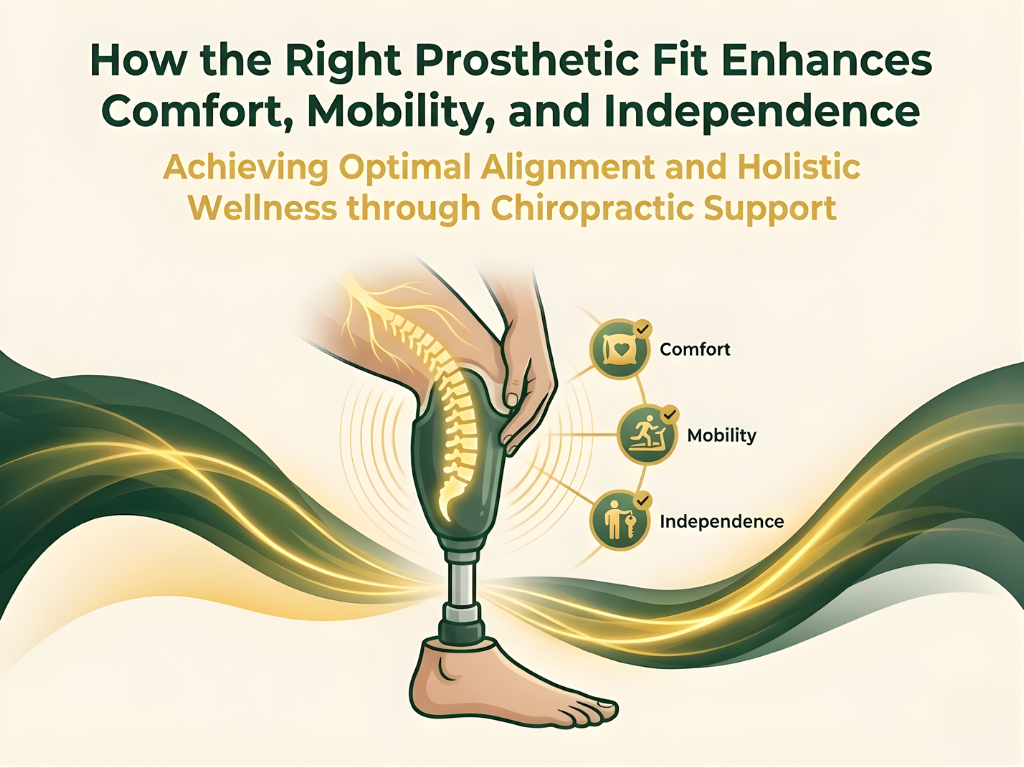
For individuals living with limb loss, a prosthetic is far more than a medical device—it is a tool for regaining independence, confidence, and mobility. However, no matter how advanced a prosthetic limb may be, its true value lies in the fit. A prosthetic that is precisely fitted to the user’s anatomy and lifestyle can dramatically reduce pain, enhance movement, and support long-term health, while an ill-fitting device can cause discomfort, skin problems, and long-term mobility issues.
Understanding why prosthetic fit matters and how it is achieved can empower users, caregivers, and healthcare professionals alike. This article explores the science, technology, and art behind prosthetic fitment, provides a step-by-step overview of the fitting process, and highlights how proper fit directly contributes to comfort, mobility, and quality of life.
Why Prosthetic Fit Matters
A prosthetic limb interacts directly with the residual limb through a critical interface that bears weight, transfers motion, and allows for functional movement, commonly referred to as the socket. This interface is central to comfort, and a poorly fitted socket can lead to pressure points, skin irritation, and long-term musculoskeletal complications due to compensatory movements.
Pain caused by an ill-fitting prosthetic is not just physical; it can limit use, reduce mobility, and contribute to psychological effects such as frustration, anxiety, and diminished confidence. Research consistently shows that prosthetic users are more likely to achieve independence and participate in daily activities when their devices are properly fitted, because comfort and function go hand in hand.
Even the most advanced prosthetic technologies, such as myoelectric arms, microprocessor knees, or energy-storing feet, cannot compensate for poor fit. Without proper alignment and a well-designed socket interface, users may struggle with fatigue, instability, and pain, and the device may not perform as intended.
Understanding the Residual Limb
Every residual limb is unique, not only in length, shape, and tissue composition, but also in factors such as scarring, sensitivity, and volume fluctuations. Volume changes are particularly common in the early months after amputation and can continue throughout life due to weight change, muscle atrophy, or swelling.
Because of this, a proper fit is not static; it is a dynamic process that evolves alongside the user. Prosthetists evaluate the residual limb comprehensively, assessing skin condition, underlying musculature, bony prominences, and the user’s lifestyle, mobility goals, and activity level.
Someone who runs or plays sports will require different socket designs and suspension strategies than someone who primarily uses the prosthetic for everyday walking or is more sedentary. This user-centered evaluation phase is critical for ensuring that the prosthetic is both functional and comfortable, reducing the risk of long-term complications and increasing the likelihood of device acceptance.
Step-by-Step Prosthetic Design and Fitment
Creating a custom prosthetic is an iterative process involving multiple stages, each designed to optimize comfort, alignment, and functionality. While methods may vary between clinics, the general process includes the following steps.
1. Initial Assessment
The first stage is a comprehensive assessment of the patient’s medical history, residual limb, and functional goals. Prosthetists gather information about amputation level, existing health conditions, and desired activities, while also considering psychosocial factors such as confidence, support system, and adaptability to a new device.
2. Measurement and Casting
Once the assessment is complete, the prosthetist captures precise measurements of the residual limb through physical casting, digital scanning, or a combination of the two. Modern 3D scanning technology enables highly accurate digital models that inform the design of the socket and other prosthetic components.
3. Prototype or Test Socket
A test or provisional socket is then fabricated based on the measurements and scans. This step allows the prosthetist to evaluate the initial fit, identify pressure points, and assess alignment while the user stands and walks.
Adjustments are made iteratively to ensure that the socket distributes weight evenly, avoids sensitive areas, and provides stability during movement. This trial-and-error refinement is essential for building a comfortable and functional final device.
4. Final Fabrication
After the prototype socket has been refined, the final prosthetic is fabricated using selected materials and components. The socket is customized to the residual limb, and functional elements such as knee joints, feet, or hands are integrated based on the user’s goals.
Material choice affects weight, flexibility, durability, and comfort, which makes it an important factor in achieving the best possible fit and performance. The final device aims to feel natural, stable, and supportive during everyday activities.
5. Fitting and Gait Training
When the finished prosthetic is delivered, fitting sessions ensure that alignment and suspension are optimized. Users are trained in gait, balance, and functional tasks, learning how to walk, stand, and move safely and efficiently with the new limb.
Even small misalignments can significantly affect comfort and mobility, so this stage focuses on fine-tuning the interface between the user and the device. Proper training also helps users build confidence and adapt more quickly.
6. Follow-Up and Adjustment
Prosthetic fit is not permanent, because residual limb volume changes, activity levels evolve, and materials wear over time. Regular follow-up visits allow prosthetists to monitor fit, make adjustments, replace liners, and modify components as needed.
Ongoing collaboration between the user and the clinical team helps maintain comfort, prevent injury, and support long-term mobility. This continuous care model ensures that the prosthetic evolves with the user’s needs over months and years.
The Role of Technology in Fitment
Modern prosthetic design leverages advanced technologies to enhance precision, comfort, and customization. For example, 3D printing can produce highly accurate sockets tailored to an individual’s anatomy, while digital modeling software can simulate pressure distribution and predict how the prosthetic will interact with the limb during movement.
Some clinics are also exploring dynamic interfaces such as soft-socket systems and adaptive materials that respond to changes in limb volume throughout the day. In select patients, osseointegration—anchoring the prosthetic directly to the bone—bypasses the socket entirely and can provide improved comfort and stability.
While technology significantly improves design and fabrication, it does not eliminate the need for expert clinical judgment and iterative adjustments. The prosthetist’s experience, combined with ongoing user feedback, remains essential for achieving optimal outcomes.
Physical and Psychological Benefits of Proper Fit
A well-fitted prosthetic offers tangible physical benefits by evenly distributing weight, maintaining proper alignment, and protecting the skin. Users are often able to walk longer distances, perform daily tasks more easily, and participate in physical activities with greater confidence and reduced pain.
The psychological impact of a proper fit is equally profound. Mobility is closely linked to independence and self-esteem, and when users feel secure and comfortable in their prosthetic, they are more likely to engage in social activities, return to work, and pursue hobbies.
Conversely, discomfort and frustration caused by a poor fit can lead to reduced use or abandonment of the device, limiting the potential benefits of even the most advanced prosthetic technology. Prioritizing fit helps unlock the full value of the prosthetic as a tool for reclaiming everyday life.
Common Challenges in Prosthetic Fit
Despite significant advances, achieving a perfect fit for every user remains challenging. Some of the most common issues include the following.
- Residual limb volume fluctuations: Daily changes in swelling or shrinkage can alter how the socket feels and fits, leading to looseness or excessive pressure.
- Pressure points and skin irritation: Bony prominences, scars, or sensitive areas can become painful if the socket is not contoured properly.
- Alignment problems: Even minor deviations in alignment can cause gait abnormalities, joint stress, or back pain over time.
User adaptation: Learning to use a prosthetic takes time, training, and patience, and initial discomfort can limit wear time while users adjust.
These challenges emphasize the importance of continuous monitoring, communication, and adjustment between the user and prosthetist.
Tips for Maintaining Comfort and Mobility
Users and caregivers can take active steps to maintain comfort and maximize the benefits of a prosthetic device. Focusing on both device care and healthy habits helps support long-term success.
- Schedule regular check-ups to review socket fit, alignment, and overall limb health.
- Monitor skin daily for redness, blisters, or pressure areas that may signal a fit issue.
- Use appropriate liners, socks, and suspension systems as recommended to maintain a secure, comfortable fit.
- Stay physically active, incorporating physical therapy and targeted exercises to strengthen muscles and improve balance.
- Communicate any changes in comfort, mobility, or limb volume promptly to the prosthetist so adjustments can be made early.
The Future of Prosthetic Fitment
The field of prosthetics is evolving rapidly, with emerging technologies promising faster, more precise, and more adaptable custom fit. AI-driven design tools, advanced materials, and more sophisticated digital scanning are reshaping how prosthetics are created and maintained.
Despite these innovations, one core principle remains: fit is fundamental. Whether using a high-tech microprocessor knee or a simpler below-knee limb, comfort, alignment, and usability ultimately determine how successful the prosthetic will be in restoring function.
For prosthetic users, the goal is for the device to feel like a natural extension of the body, enabling true mobility and independence. By prioritizing fit at every stage—from assessment through lifelong follow-up—clinicians and users can ensure that prosthetics serve as genuine tools of empowerment.